


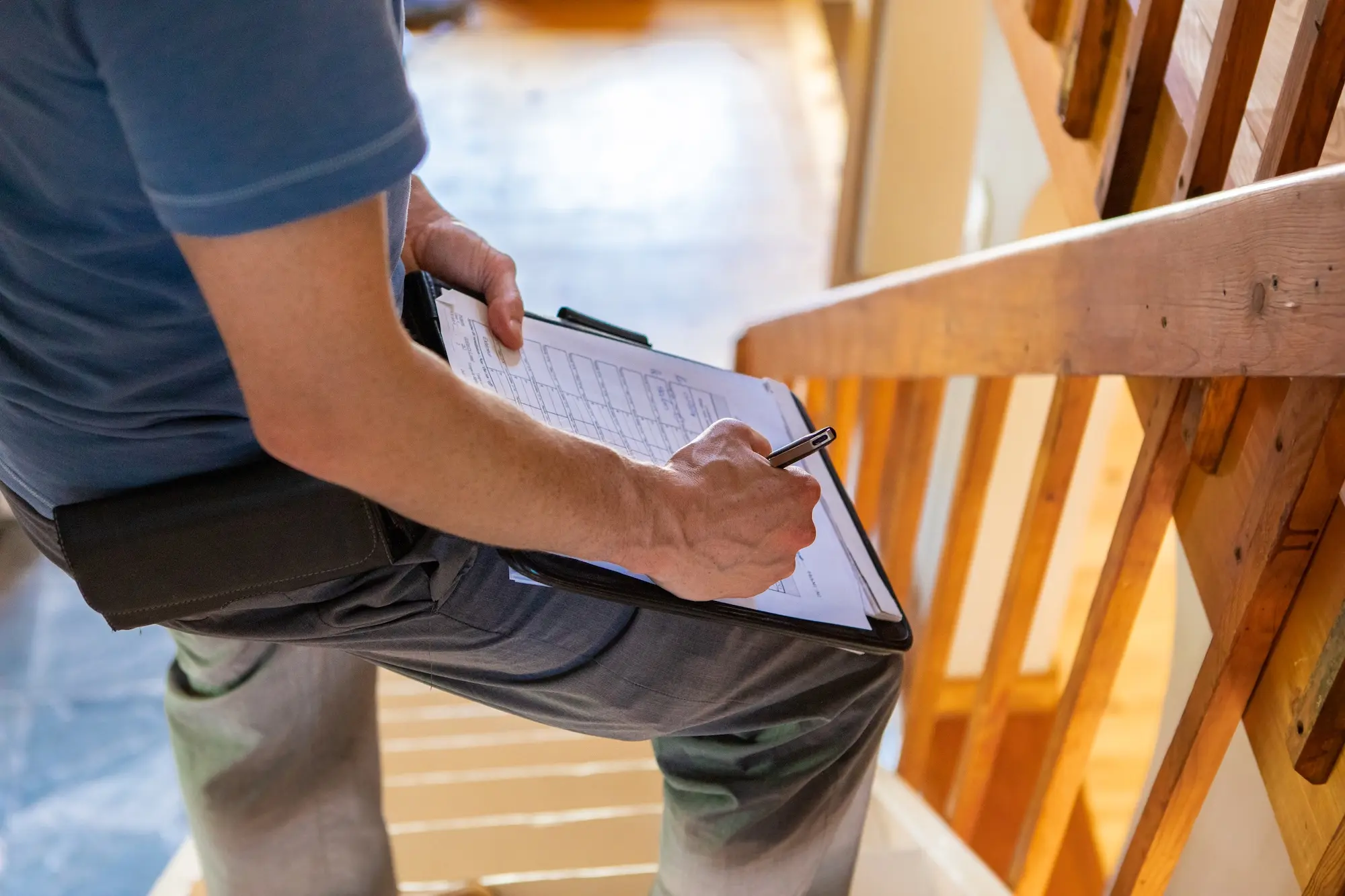
Inspectra Property Inspections carries out every inspection in West with a Domestic Builder Unlimited (DB-U) registered practitioner — Victoria's highest class of VBA builder registration, with no restrictions on project type, size, or value. DB-U is the premium tier of builder registration in Victoria — above DB-L (limited) and all other restricted categories. Many building inspectors hold no VBA builder registration at all.
West Melbourne presents a unique inspection challenge with its blend of converted industrial heritage buildings, original Victorian workers' cottages, and contemporary high-rise developments clustered around the Melbourne CBD fringe. The suburb's rapid transformation from industrial precinct to residential hub means many properties involve adaptive reuse of 19th-century warehouses alongside brand-new apartment complexes. Pre-purchase building and pest inspections are critical in West Melbourne to identify structural issues in heritage conversions, defects in newer apartment construction, and moisture problems common in this low-lying area close to the Maribyrnong River.
West Melbourne Property Character
West Melbourne is part of Inner West Melbourne. The area's housing stock is predominantly Heritage industrial warehouses, Victorian-era workers' cottages, and modern high-rise residential developments, with Converted warehouse apartments, modern apartments, Victorian terraces, contemporary townhouses, mixed-use developments making up the majority of available properties. Each era and building type carries its own inspection risks — Inspectra's inspectors are experienced across all of them.
Common Defects & Risk Profile
- Warehouse Conversion Structural Issues
- High-Rise Apartment Building Defects
- Victorian Cottage Foundation Movement
- Moisture and Drainage Problems
Many West Melbourne properties are converted industrial warehouses from the 1880s-1920s era that have been transformed into residential apartments. These conversions can hide significant structural problems including inadequate waterproofing, compromised load-bearing walls from modifications, and concealed timber deterioration behind modern fitouts that require specialist inspection.
West Melbourne has seen substantial new apartment construction since the 2000s, particularly along Rosslyn and Spencer Streets. Buildings from this boom period are now revealing common defects including facade cracking, water ingress through balconies, and fire compliance issues that may not be immediately visible during casual property viewings.
The original Victorian-era workers' cottages scattered throughout West Melbourne typically have shallow brick or stone foundations on the area's clay soils. Decades of variable moisture conditions and nearby construction vibrations from major projects have caused subsidence and cracking in many of these heritage homes, requiring careful assessment of structural integrity.
West Melbourne's low-lying topography and proximity to the Maribyrnong River make properties susceptible to rising damp, poor drainage, and water table issues. Both heritage buildings with original brick construction and modern developments with inadequate subfloor ventilation or waterproofing systems can experience significant moisture-related deterioration and pest attraction.
The Inspection Process
West Melbourne's property market moves quickly. Inspectra offers prompt booking turnaround, a same-day verbal debrief, and written report delivery within 24 hours. Call 0459 771 108 or submit an online enquiry to get started.
Nearby Suburbs
We also cover these suburbs near West Melbourne:
Other West Melbourne Inspection Pages
- Building & Pest Inspection West Melbourne
- Building Inspection West Melbourne
- Pest & Termite Inspection West Melbourne
- Property Inspection West Melbourne
Combined pre-purchase building and timber pest inspection in one appointment.
Standalone structural building inspection under AS 4349.1.
Specialist timber pest inspection using thermal imaging and moisture meters.
Comprehensive pre-purchase property assessment covering all condition aspects.
Frequently Asked Questions
Warehouse conversions in West Melbourne can be excellent properties, but they require thorough specialist inspection due to their unique construction. Key concerns include the quality of the conversion work, waterproofing of original brick walls, structural modifications, and compliance with modern building codes. Many conversions involved private certifiers during the 2000s-2010s boom, so independent verification is essential. Contact Inspectra Property Inspections on 0459 771 108 to arrange a comprehensive inspection that addresses the specific challenges of warehouse apartment construction.
West Melbourne's Victorian cottages, typically built between 1880-1910 for factory workers, commonly present with foundation movement due to shallow footings on reactive clay soils, rising damp through original solid brick walls without damp-proof courses, and deteriorated timber flooring and roof framing. Many have been renovated multiple times with varying quality of workmanship, so inspections should verify structural integrity, electrical safety upgrades, and whether heritage overlays affect future renovation plans.
Not necessarily. West Melbourne's apartment boom from 2000-2020 has resulted in numerous buildings now displaying common construction defects including waterproofing failures, facade cracking, and fire safety non-compliance. Buildings around 5-15 years old are particularly prone to revealing warranty-period defects. A building inspection should review Owners Corporation records, examine common areas for defect indicators, and assess the specific unit for water ingress, structural movement, and fitout quality regardless of the building's age.
Yes, pest inspections remain important even for modern West Melbourne apartments. The area's industrial history, proximity to the river, and prevalence of food businesses at ground level create conditions attractive to rodents and cockroaches. Warehouse conversions with original timber elements can harbour termites or borers, while poor moisture management in any property type can attract pests. A combined building and pest inspection provides complete due diligence for West Melbourne properties of any age or style.